
When a loved one begins to need daily medical support or assistance with everyday tasks, families are often faced with a difficult decision. Should they receive care at home, or is it time to transition into an assisted living facility, rehabilitation center, or nursing home? The answer is not always simple. Both home health care and facility-based care offer valuable benefits, and the right choice depends on your loved one’s medical needs, lifestyle preferences, level of independence, and financial situation.
This guide will help you compare home health care and facility care so you can make a confident decision. Whether you are caring for an aging parent, a medically fragile child, or a family member recovering from surgery or illness, this breakdown will clarify your options and help you choose the path that best supports long-term health and quality of life.
What Is Home Health Care?
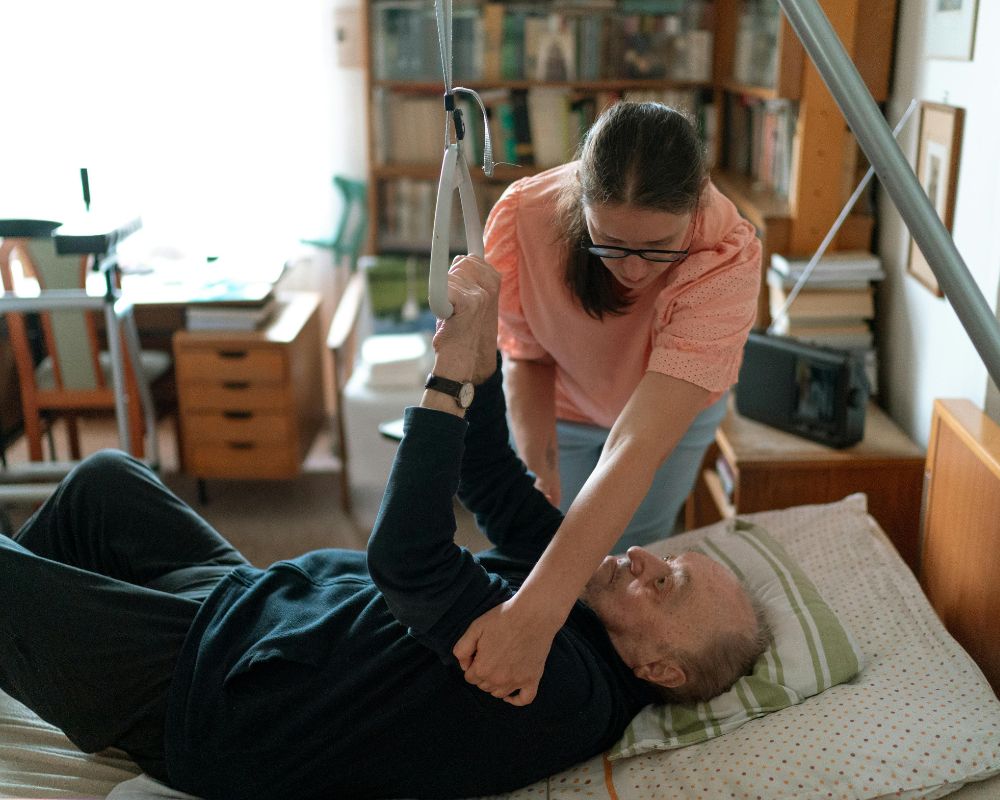
Home health care refers to nursing and therapy services delivered directly in the patient’s home. Care is typically provided by licensed professionals such as registered nurses, licensed practical nurses, certified nursing assistants, and physical, occupational, or speech therapists. Depending on the service model and insurance coverage, home care can include short visits for medical treatment or longer private-duty nursing shifts.
Home health care is ideal for individuals who want to maintain independence while still receiving professional care. It also supports patients who have difficulty traveling due to mobility challenges, chronic conditions, or complex medical equipment such as ventilators, oxygen support, or feeding tubes.
Common services provided through home health care include:
- Skilled nursing for wound care, injections, IV therapy, or chronic disease management
- Medication administration and monitoring
- Respiratory support including tracheostomy and ventilator care
- Physical, occupational, or speech therapy
- Assistance with activities of daily living such as bathing, grooming, or mobility support
- Care coordination with physicians and specialists
- Family education and caregiver training
The main advantage of home health care is that it allows individuals to receive personalized medical support without leaving the comfort and familiarity of home.
What Is Facility-Based Care?
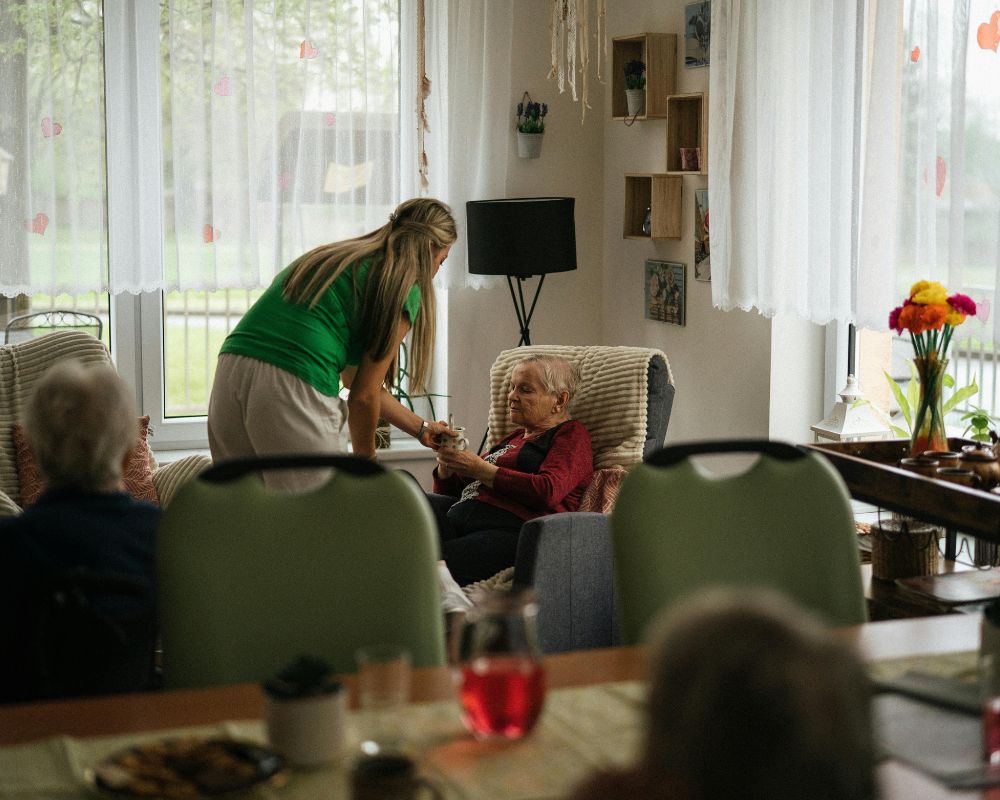
Facility care refers to care delivered in a licensed setting such as a nursing home, assisted living facility, rehabilitation center, skilled nursing facility (SNF), or long-term acute care hospital. In this model, patients live on-site and receive round-the-clock supervision or scheduled medical services depending on the type of facility.
Facility-based care is often recommended when a patient needs constant supervision, advanced equipment, or intensive rehabilitation. These settings offer access to multiple staff members at once, structured schedules, and sometimes social activity programs designed to reduce isolation.
Types of facility care include:
- Assisted Living Facilities — For individuals who are mostly independent but need help with meals, medication reminders, or daily living tasks.
- Skilled Nursing Facilities (SNFs) or Nursing Homes — For individuals who require 24/7 nursing support due to chronic illness, physical disability, or cognitive decline.
- Inpatient Rehabilitation Centers — For short-term recovery after surgery, stroke, or serious injury.
- Long-Term Acute Care Hospitals (LTACHs) — For medically complex patients who require extended hospital-level care.
Facility care provides structure and access to a full care team, but it also requires patients to adapt to a new living environment that may involve shared spaces, scheduled routines, and less privacy.
Home Health Care vs. Facility Care: Key Differences
To determine which option is best for your loved one, it helps to compare the major differences between the two models.
| Factor | Home Health Care | Facility Care |
| Environment | Care provided in the patient’s own home | Care provided in a licensed residential or medical facility |
| Level of Independence | Allows for autonomy and personal routine | More structured schedule with supervision |
| Personalized Attention | One-on-one care | Shared staff across multiple residents or patients |
| Cost Structure | Hourly or visit-based billing; often covered by insurance or Medicaid if medically necessary | Daily or monthly rates; can be costly depending on level of care |
| Family Involvement | Family can remain closely involved in care | Family may have visiting hours or limited participation depending on facility |
| Best For | Individuals who want to remain at home and can safely do so with support | Individuals needing 24/7 monitoring or intensive rehabilitation |
Benefits of Home Health Care
If your loved one values comfort, independence, and familiarity, home health care is often the most emotionally supportive choice. Here are some of the top advantages:
1. Care in a Familiar and Comfortable Environment
Remaining at home can greatly reduce stress and promote emotional stability. Familiar surroundings help seniors and medically fragile individuals maintain a sense of identity and security, especially for those with dementia or anxiety.
2. One-on-One Attention from Dedicated Caregivers
Home care services are delivered directly to one individual at a time, which ensures personalized care and more attentive monitoring. In many facilities, staff are responsible for multiple patients at once, which may limit how quickly needs are addressed.
3. Reduced Risk of Infections
Hospitals and nursing facilities carry higher risks of exposure to contagious illnesses. Receiving care at home minimizes contact with other patients and reduces the chance of complications caused by infections.
4. Greater Family Involvement
Home health care encourages collaboration between nurses, therapists, and family members. Caregivers are often trained on how to provide support between visits, which creates a team-based approach that empowers families rather than separating them.
5. Flexible Scheduling and Customized Care Plans
Instead of following a facility’s schedule, care can be arranged according to your loved one’s preferred routines. Whether they need morning therapy sessions or evening medication support, home care adapts to their lifestyle, not the other way around.
Benefits of Facility Care
While home health care offers flexibility and personal comfort, facility-based care provides structure and access to resources that may not be available at home. For individuals with complex or unpredictable conditions, these environments can offer added stability and safety.
1. 24/7 Monitoring and Supervision
In a facility, staff members are available around the clock. This constant oversight can be reassuring for patients who are at risk of falls, cognitive confusion, or medical emergencies. While home health visits are scheduled, facility care ensures immediate support at any hour.
2. Access to Advanced Equipment and Specialized Staff
Some conditions require complex equipment that isn’t practical to install in a private home. Skilled nursing facilities and rehabilitation centers are equipped with hospital-grade tools, respiratory machines, mobility lifts, and emergency equipment. They may also have specialized therapists or wound care teams on-site.
3. Social Interaction and Group Activities
For individuals who thrive on community engagement, facility care may offer group dining, recreational activities, and therapy sessions with others who share similar challenges. This can reduce feelings of isolation, particularly for seniors who live alone.
4. Structured Routine and Care Consistency
Facilities follow structured schedules for meals, medication, therapy, and sleep, which can benefit individuals who struggle with memory, organization, or self-regulation. This routine helps establish consistency and can improve mental and physical stability over time.
5. Easier for Families Who Cannot Provide Daily Support
Some families want to remain heavily involved but may not be able to handle the physical, emotional, or time demands required for full-time care. In these cases, facility care provides relief while still allowing family members to visit and participate when they are able.
Cost Comparison: Home Health Care vs. Facility Care
The cost of care is one of the most important considerations when choosing between home care and facility placement. While pricing varies by state and level of support, here is a general breakdown:
| Type of Care | Average Cost | Typically Covered By |
| Home Health Nursing (Skilled) | $25–$75 per hour depending on acuity | Medicare, Medicaid, Private Insurance if medically necessary |
| Private Duty Nursing (Extended Hours) | $150–$400 per day | Medicaid Waivers, Private Insurance, Out-of-Pocket |
| Assisted Living Facility | $3,000–$6,000 per month | Private Pay, Long-Term Care Insurance |
| Skilled Nursing Facility / Nursing Home | $7,000–$12,000 per month | Medicaid (after eligibility), Long-Term Care Insurance |
| Inpatient Rehab / LTACH | $10,000+ per month | Medicare, Medicaid, Insurance (short-term stays) |
Home care is often more affordable when fewer hours are needed, especially for individuals who only require weekly nursing visits or periodic therapy sessions.
Facility care becomes more cost-effective when someone needs 24-hour supervision, as paying for round-the-clock private-duty nursing in the home can exceed the cost of placement.
However, many states, including Florida, offer Medicaid programs that cover in-home skilled nursing or therapy services for eligible individuals. Understanding your loved one’s benefits is key to choosing a sustainable path.
How to Decide: Home Health Care or Facility Care?
Choosing the right option depends on your loved one’s safety, independence, social needs, and medical stability. Below is a simple decision framework to help guide the conversation.
Choose
Home Health Care
if:
- They are medically stable with predictable care needs
- They prefer to remain at home and feel emotionally attached to their space
- A family member or caregiver is available to support between nursing visits
- They thrive on personal freedom and customized scheduling
Choose
Facility Care
if:
- They require 24/7 supervision, monitoring, or emergency access
- Their condition is high-risk or rapidly changing
- They feel isolated at home and would benefit from a social setting
- The home environment is unsafe or difficult to modify for accessibility
What If You’re Still Unsure?
Many families choose hybrid care, starting with home health care and transitioning to facility care only if needed later. Others use home care as a stepping stone after hospital discharge before determining long-term plans.
The best approach is to schedule a professional assessment. A nurse or therapist can help evaluate your loved one’s mobility, cognitive status, medical needs, and overall safety. From there, you can make a decision rooted not only in emotion, but in clinical insight.
Why Riverside Care of Florida Is a Trusted Home Health Care Partner
At Riverside Care of Florida, we understand that inviting someone into your home is deeply personal. That is why our nursing and therapy teams are trained not only in clinical excellence, but in compassion, family communication, and respect for every individual’s dignity.
We provide:
- Skilled nursing support for chronic and acute conditions
- Pediatric and adult in-home therapy services
- Medication and respiratory management
- Shift care for medically fragile children
- Care coordination with your physician or specialist
- Insurance support to simplify access to services
Whether you are caring for a child with complex needs or supporting an aging loved one who wants to remain independent, our team is here to help you make the journey safe and sustainable.